


From Machines to Platforms: How Smart Vending Generates Multiple Revenue Streams
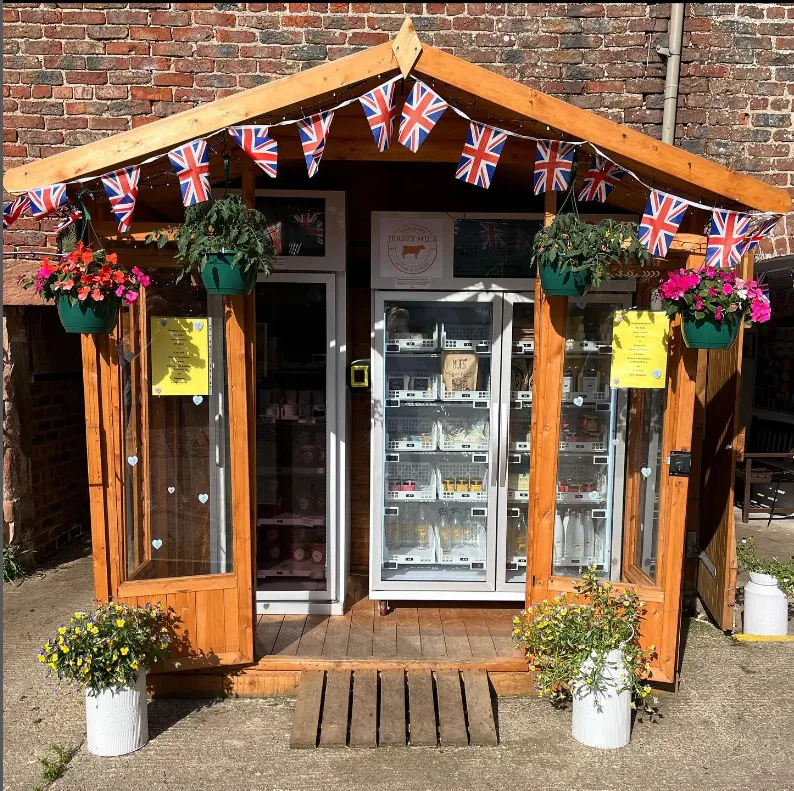
Four Profitable Business Models in the Vending Machine Operation Industry
Modern vending machines are no longer just retail terminals.
Driven by IoT, digital payment, and data systems, vending machine operations have evolved into multi-revenue, platform-based businesses.
Below are four proven profit models adopted by professional vending machine operators worldwide.
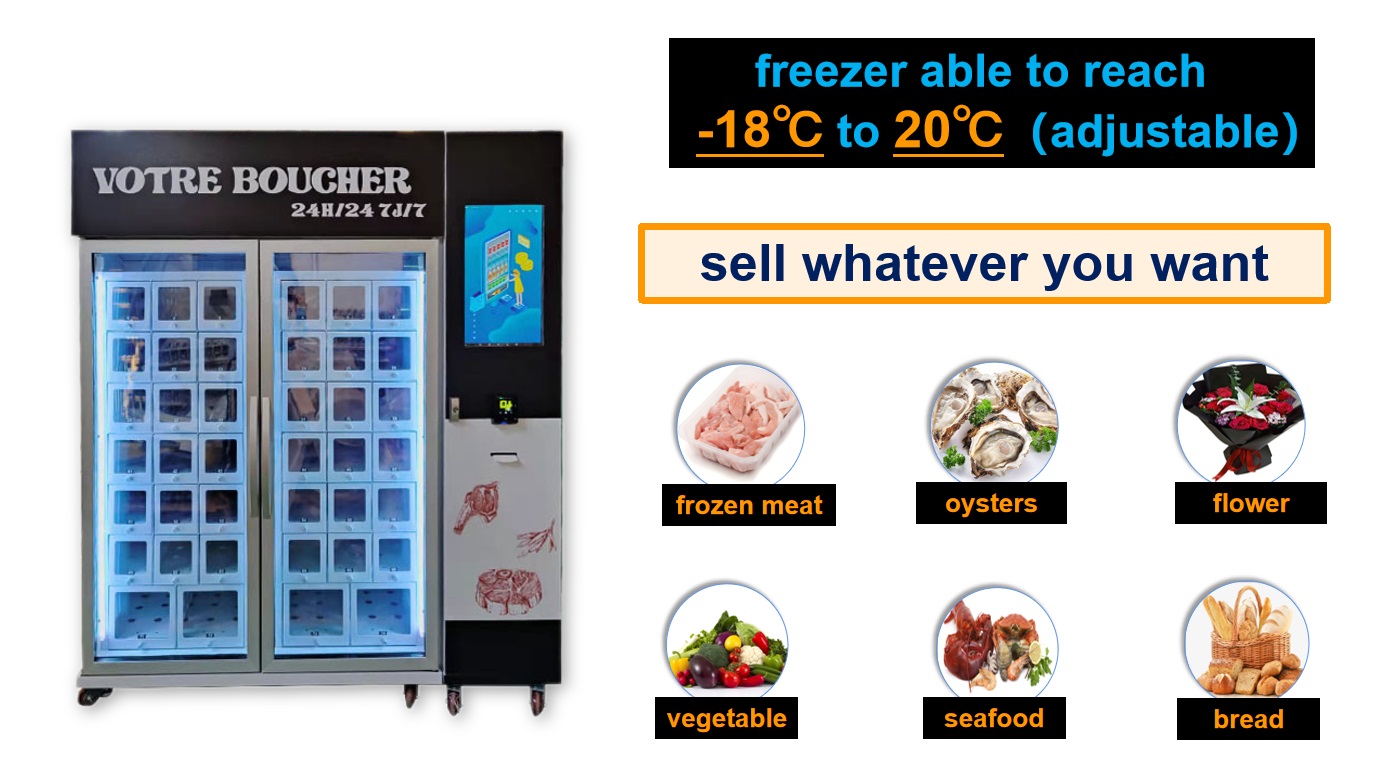
1. Retail Revenue: From Low Margin Sales to Brand-Driven Profits
Traditional vending machines mainly sell low-priced, fast-moving consumer goods such as snacks and beverages. Operators rely on bulk purchasing from suppliers to earn small price differences.
However, this pure retail model has clear limitations:
Average machine cost: ~USD 4,000
Example: A USD 0.5 bottled drink generates ~10% net profit
Payback period: up to 3 years
Additional challenges: depreciation, vandalism, maintenance, and labor costs
With limited product categories and thin margins, retail-only vending operations struggle to scale sustainably.
The Modern Upgrade
Smart vending machines enable operators to:
Sell self-developed or private-label products
Cut multiple middle channels between production and sales
Improve gross margins significantly
Control pricing, branding, and product differentiation
Brand ownership + smart retail transforms vending machines from low-margin terminals into profitable micro-retail outlets.
2. Advertising Revenue: Turning Traffic into Digital Media Value
Vending machines are typically deployed in high-footfall locations:
Office buildings
Schools and universities
Factories
Transportation hubs
Public leisure areas
This makes them highly attractive advertising carriers.
Why Digital Vending Advertising Works
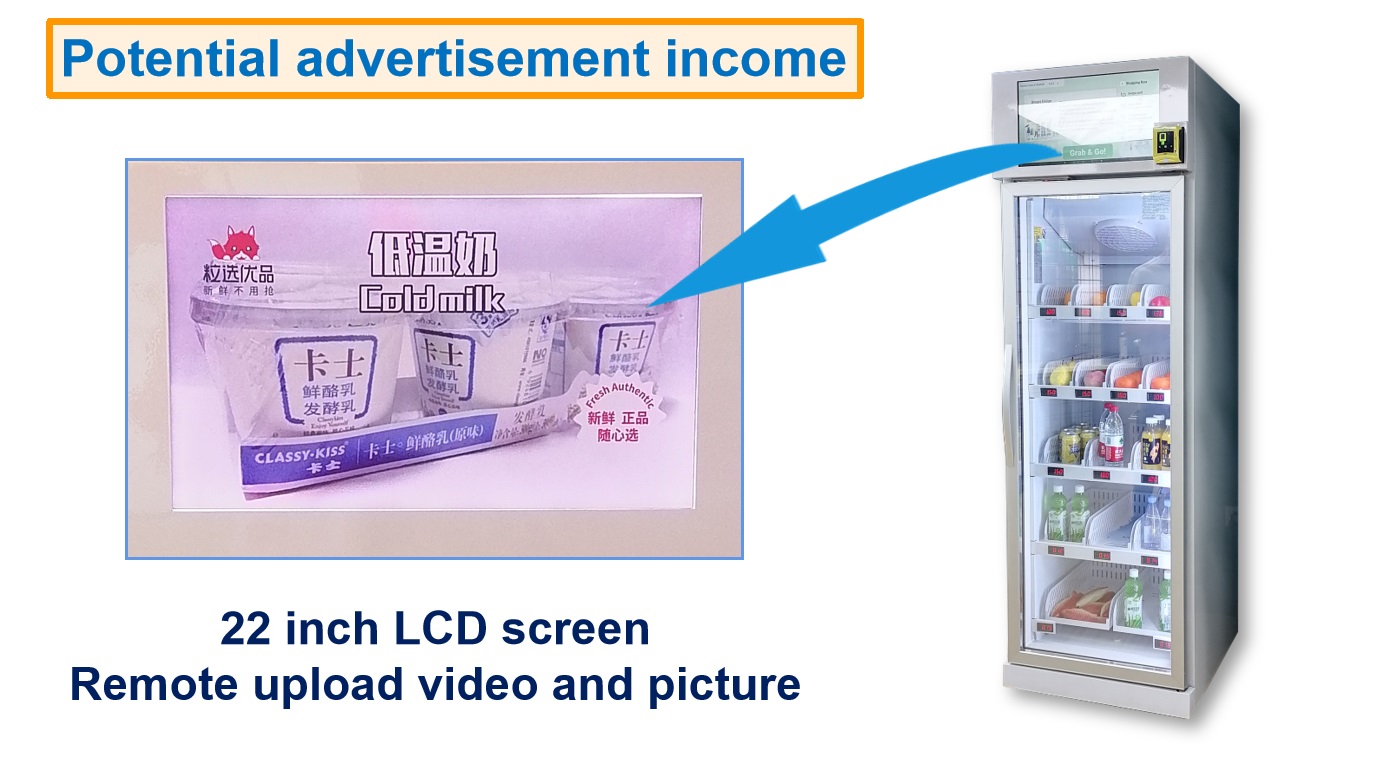
Large touch screens support dynamic digital ads
Ads are displayed at the exact moment of consumer interaction
Combines payment + engagement + brand exposure
Lower cost than traditional outdoor advertising
Data-Driven Advertising Advantage
Smart vending machines are connected IoT terminals, allowing operators to:
Monitor ad performance in real time
Analyze impressions and interaction data
Optimize ad content and playback schedules
Offer advertisers measurable ROI
Proven Global Success
Coca-Cola has launched 100+ beverage products through vending machine marketing
Over 70% of Japan’s 2.56 million beverage vending machines are owned by beverage manufacturers
Advertising becomes a long-term, high-margin, recurring income stream
Advertising revenue is now a core profit pillar for large-scale vending operators.
3. Franchise & Platform Income: Scaling Faster with Lower Capital Pressure
Industry analysts widely believe the vending machine industry is entering a rapid expansion phase.
However, rapid scaling faces major challenges:
High upfront equipment investment
Operational complexity
Capital and manpower constraints
Franchise-Based Expansion Model
By opening their platforms to franchise partners, leading operators can:
Expand quickly without heavy asset investment
Collect franchise fees, system usage fees, and service commissions
Build large-scale vending networks in a short time
Value for Franchisees
Small and medium operators benefit from:
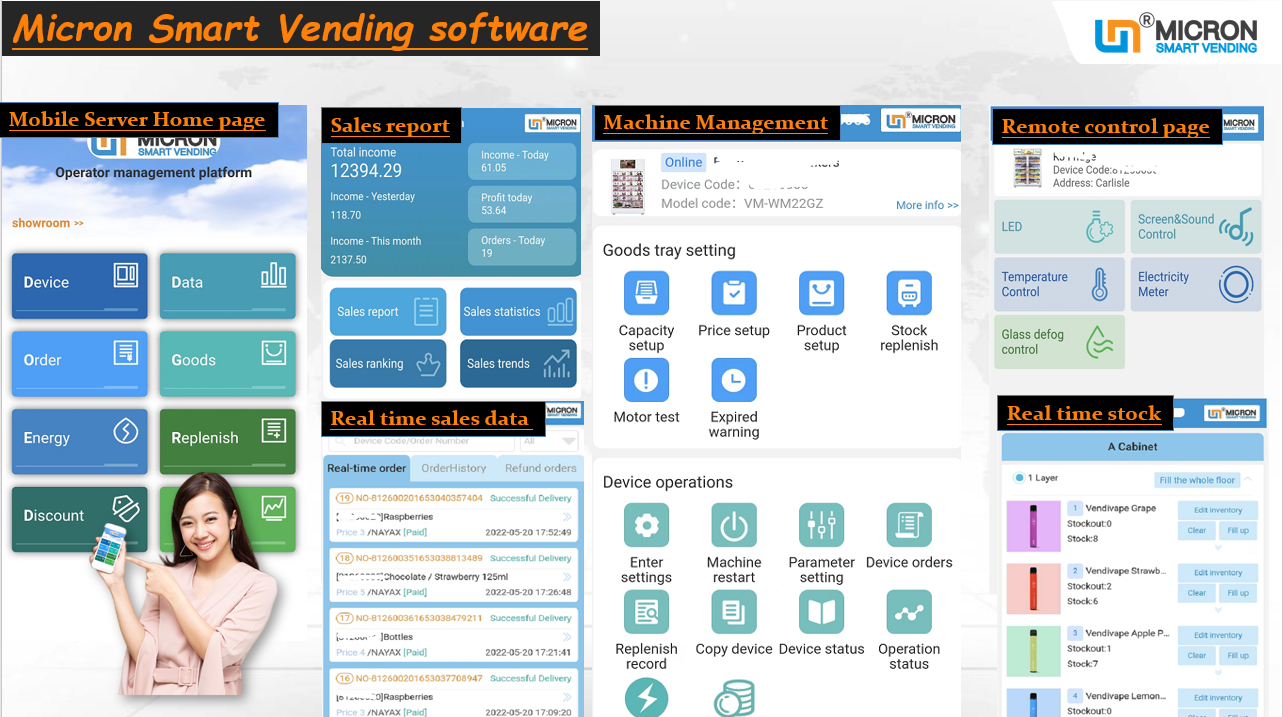
Unified backend management systems
Real-time machine monitoring
Automatic alerts (cash, inventory, faults)
Sales reports and data analysis
Lower operational risk and faster ROI
This platform + franchise model creates a win-win ecosystem:
Operators scale rapidly
Franchisees gain professional operational support
4. Logistics & Last-Mile Distribution Income
To improve efficiency, many operators have built self-operated logistics systems to serve their vending machine networks.
This logistics infrastructure can be further monetized.
New Opportunity: Community & Office Micro-Logistics
Smart vending machines can function as:
Mini neighborhood fulfillment points
Office building pickup stations
Consumers place orders via an app for:
Fresh produce
Daily necessities
Household items
Operators then:
Deliver goods to the nearest vending machine
Provide secure pickup via QR code or PIN access
Why This Model Works
Saves consumers time
Uses existing vending locations and logistics routes
Generates additional logistics service fees
Builds strong, repeat customer relationships
Although growth may be gradual, this model offers:
Stable, predictable income
High customer stickiness
Strong long-term scalability
From Machines to Smart Retail Infrastructure
Modern vending machines are evolving into:
Retail terminals
Digital media platforms
Franchise expansion tools
Urban micro-logistics hubs
