


Why Frozen Food Vending Is Becoming Japan’s Next Retail Growth Engine
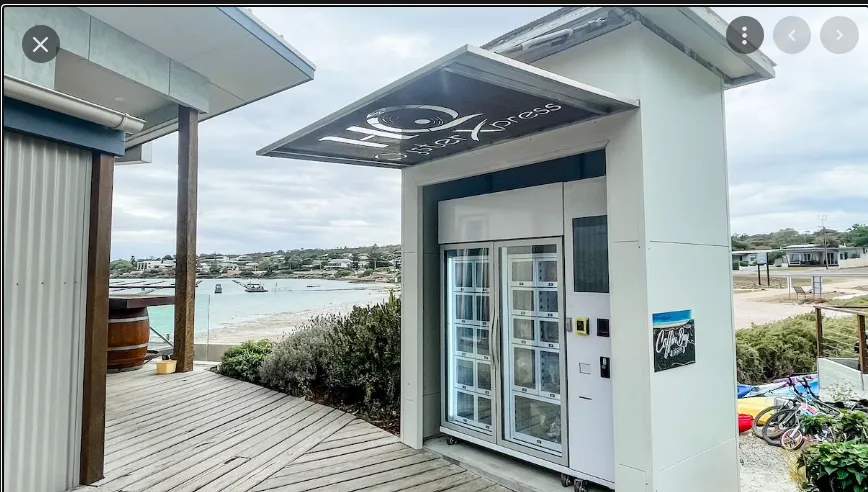
Japanese vending machines have long represented convenience and innovation. Today, they are driving a major transformation in the frozen food sector. With the rapid expansion of frozen food vending machines, consumers can now access high-quality frozen meals anytime and anywhere. These advanced automatic vending and freezer vending solutions are reshaping food distribution across Japan’s urban landscape.
The Evolution of Japanese Automatic Vending Machines
Japan operates one of the most sophisticated vending machine networks in the world. In recent years, automatic vending machines have evolved far beyond drinks and snacks, expanding into frozen meals and ready-to-eat foods.
From busy city streets and office buildings to residential complexes and transport hubs, frozen food vending machines now offer instant access to dumplings, noodles, bento-style meals, desserts, and ice cream. Equipped with modern refrigeration technology, these machines ensure food safety, freshness, and consistent quality.
Frozen Food Vending Machines: Convenience for Modern Lifestyles
Frozen vending machines—also known as vending freezers—are engineered to maintain precise low-temperature environments. Consumers no longer need to visit supermarkets or wait in long lines to enjoy frozen meals.
This retail format perfectly aligns with Japan’s fast-paced urban lifestyle, meeting the growing demand for quick, reliable, and accessible food options. Whether late at night, during peak working hours, or in remote locations, frozen meal vending machines deliver unmatched convenience.
Technology Powering Frozen Food Vending
Behind the growth of frozen food vending machines are innovative manufacturers integrating advanced technology into each unit. Key features include:
Precise temperature control for safe frozen storage
Cashless and contactless payment systems
Cloud-based remote monitoring and management
Real-time inventory and sales data tracking
These technologies allow operators to reduce labor costs, minimize food waste, and operate efficiently across multiple locations.
Frozen Food Vending Machines vs Traditional Food Retail
| Feature | Frozen Food Vending Machines | Traditional Retail |
|---|---|---|
| Operating Hours | 24/7 automated sales | Limited business hours |
| Labor Cost | No on-site staff required | High staffing costs |
| Space Requirement | Compact, flexible placement | Large retail space needed |
| Food Access | Instant, on-demand | Dependent on store hours |
| Data Management | Real-time cloud monitoring | Manual or delayed reports |
| Customer Experience | Fast, contactless, self-service | Queues and wait times |
Benefits for Consumers
Frozen food vending machines serve a wide range of users, from busy professionals and students to night-shift workers. With 24/7 access, consumers can enjoy high-quality frozen meals without cooking or waiting.
In addition to saving time, these machines support healthier eating habits by offering balanced meal options and portion-controlled servings, giving consumers more flexibility and choice.
The Future of Frozen Food Vending in Japan
Frozen food vending machines are no longer a novelty; they are becoming an essential part of Japan’s modern food infrastructure. As technology continues to evolve, machines will become smarter, food selections will expand, and installations will increase nationwide.
Automatic vending machines and vending freezers are expected to play an even greater role in addressing labor shortages, urban food access, and sustainable retail operations.
FAQ
Q1: What is a frozen meal vending machine?
A: A frozen meal vending machine is an automated system designed to store and dispense frozen meals while maintaining strict temperature control for food safety.
Q2: How are Japanese vending freezers different from standard vending machines?
A: They feature advanced refrigeration, cashless payments, and remote monitoring, enabling safe 24/7 sales of frozen food.
Q3: What types of food can be sold in frozen food vending machines?
A: Frozen meals, dumplings, noodles, rice dishes, desserts, ice cream, and other ready-to-eat or ready-to-heat products.
Q4: Where are frozen food vending machines commonly installed?
A: Offices, residential buildings, train stations, hospitals, campuses, factories, and high-traffic urban locations.
Q5: Are frozen vending machines safe for long-term food storage?
A: Yes. They maintain consistent low temperatures and provide real-time monitoring to ensure food safety.
Q6: How do operators manage inventory and performance?
A: Through cloud-based platforms that provide real-time data on inventory, sales, temperature, and machine status.
Q7: Do frozen food vending machines support cashless payments?
A: Yes. Most machines support credit cards, mobile wallets, NFC, and QR-code payments.
Q8: Is investing in frozen food vending machines profitable?
A: With rising demand for convenience foods and unmanned retail, frozen food vending machines offer strong revenue potential in urban areas.
Q9: How much maintenance is required?
A: Maintenance is minimal, mainly involving restocking, cleaning, and occasional technical checks supported by remote diagnostics.
Q10: What is the future outlook for frozen food vending machines in Japan?
A: The market is expected to grow steadily, driven by urbanization, labor shortages, and demand for 24/7 food access.
