


The Feasibility of Vending Machines for Snacks, Beverages, and Ready-to-Eat Meals with Microwaves at Airports
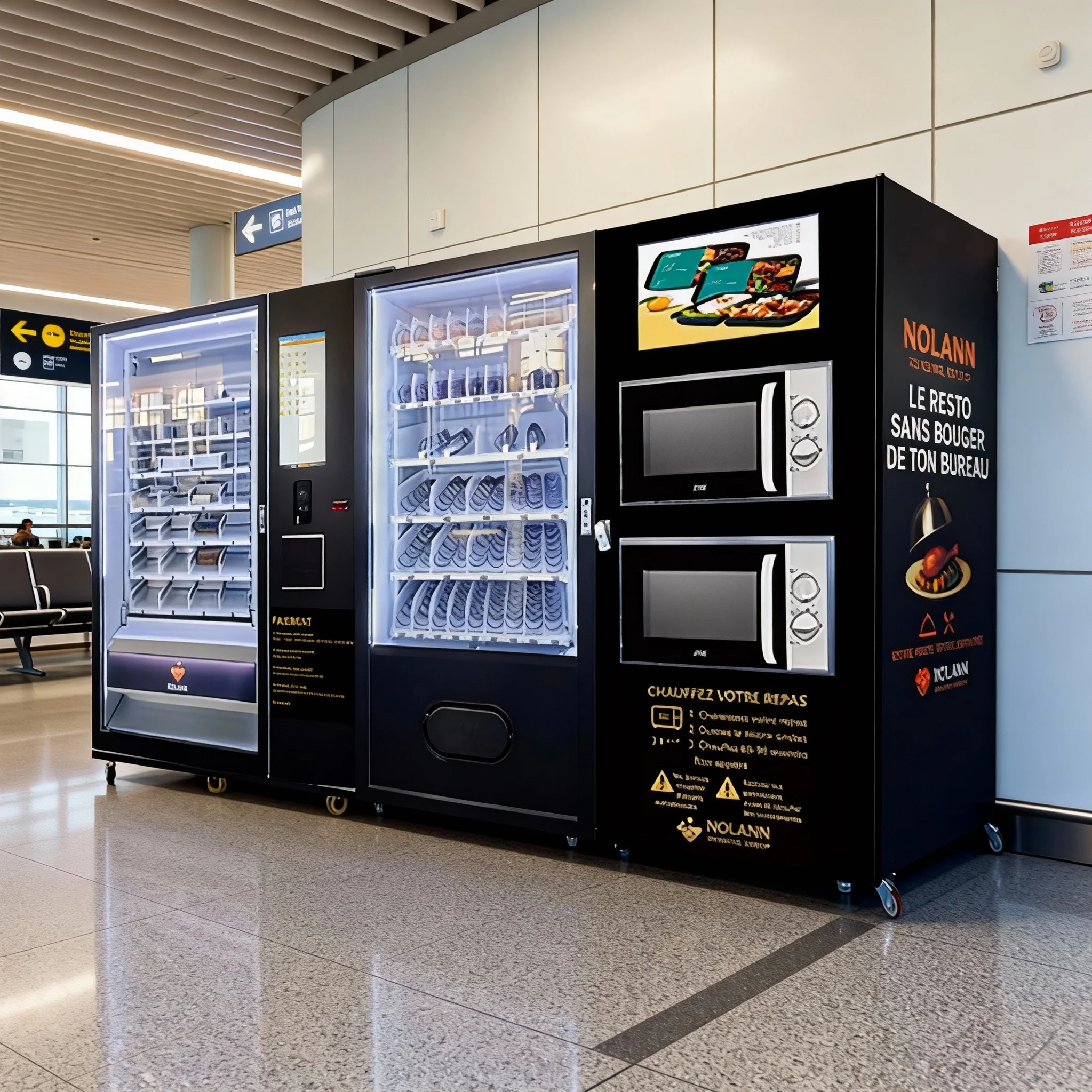
Airports are high-traffic, high-demand environments where travelers often experience long wait times, hunger, and thirst. Offering convenient access to snacks, drinks, and ready-to-eat meals can significantly enhance the customer experience while creating a lucrative business opportunity. The introduction of vending machines that provide not just snacks and beverages but also ready-to-eat meals with an integrated microwave could revolutionize the food services within airports. This article will explore the feasibility of placing such vending machines in airports, analyzing the potential benefits and challenges.
1. Understanding the Need: Convenience for Modern Travelers
Airports are fast-paced environments where passengers are often in a rush and looking for convenient food options. Traditional sit-down restaurants or even fast-food options can take too long, especially for travelers with tight schedules. Here, vending machines offering ready-to-eat meals, snacks, and beverages become highly attractive. These machines not only provide quick and accessible food but also allow passengers to heat their meals, offering them the convenience of a hot, fresh meal on the go.
The inclusion of a microwave in the vending machine is a key selling point. It allows travelers to enjoy a warm meal, something that traditional snack vending machines cannot offer. The option to heat meals such as boxed lunches, instant noodles, or sandwiches makes the offering more attractive and versatile.
2. Why This Vending Solution is Feasible for Airports
There are several reasons why introducing vending machines for snacks, beverages, and ready-to-eat meals with microwaves at airports is a feasible and valuable idea:
a. High Demand for Quick Food
Airports are a natural setting for vending machines due to the high number of passengers and the constant demand for quick, easy food options. According to industry statistics, airports have over 4 billion passengers annually, and with increasing global travel, this number is expected to rise. As passengers typically have limited time and want to avoid missing their flights, food vending machines offer a quick and easy solution.
Moreover, with the rise of health-conscious travel and dietary restrictions, ready-to-eat meals provide a variety of options that meet different tastes and preferences. By offering healthy, diverse, and globally-inspired meals (e.g., vegan, gluten-free, or international cuisine), airports can cater to a wide range of customers.
b. Efficiency and Reduced Overhead
Traditional food outlets in airports require a significant upfront investment, including restaurant space, staff, utilities, and inventory management. Vending machines, on the other hand, have a low overhead. Once installed, they require minimal supervision and maintenance. The addition of microwaves inside the machines means no need for external heating equipment, further streamlining operations.
Additionally, these vending machines are often more cost-effective in terms of staffing, as they can operate without the need for on-site employees. This self-service nature means that they can function 24/7, offering food and beverages even when traditional food outlets close.
c. Space Efficiency
Airport space is limited and often expensive, especially in high-traffic areas like terminals and gates. Vending machines are compact, making them a space-efficient solution for providing food to travelers without taking up valuable retail or restaurant space. These machines can be placed in strategic areas such as near seating zones, waiting areas, and restrooms, allowing passengers to grab a quick bite before or after their flight.
d. Easy Payment Systems
With the increasing adoption of cashless payments and contactless solutions, vending machines are now easier to use than ever. Payment can be made through credit/debit cards, mobile wallets (Apple Pay, Google Pay), or even QR code systems linked to apps. This makes the vending machine experience convenient for travelers, many of whom are eager to use fast, modern payment options.
3. Diverse Meal Options and Product Variety
The vending machines can offer a wide variety of food and beverage options tailored to the needs of travelers:
Snacks: Chips, granola bars, nuts, and candy
Beverages: Soft drinks, bottled water, juices, and coffee
Ready-to-Eat Meals: Boxed lunches, salads, sandwiches, pasta, rice meals, and instant noodles
Healthy Alternatives: Protein bars, smoothies, and fruit cups
Special Dietary Options: Vegan, gluten-free, and low-calorie meals
By offering a diverse selection, the machines cater to different tastes, dietary requirements, and preferences, making them attractive to a wider audience. Additionally, meals can be pre-packaged in a way that ensures freshness, with options like vacuum-sealed packages that can be easily reheated.
4. Challenges and Considerations
While the potential for success is high, there are challenges and considerations to keep in mind when introducing microwaved food vending machines in airports:
a. Maintenance and Hygiene
Maintaining cleanliness and hygiene in self-service machines is essential, especially in a busy airport environment. Food spills, leftover packaging, or broken machines can create a negative customer experience. Regular maintenance checks, cleaning, and monitoring are necessary to ensure machines remain functional and hygienic.
b. Regulatory Compliance
Vending machines offering ready-to-eat meals with microwaves must comply with local food safety regulations, including hygiene standards for food preparation and storage. Airports will need to ensure that the food provided in these machines meets the necessary health standards, especially when dealing with perishable items.
c. Machine Durability and Cost
The inclusion of microwaves inside vending machines requires durable, specialized equipment that can withstand frequent use. These machines are more expensive to install than standard snack or drink vending machines due to the added complexity of the microwave technology. However, this cost can be offset by the potential revenue generated from offering both snacks and hot meals.
d. Space for Installation
Though vending machines are space-efficient, airports will need to carefully consider where to place them to maximize visibility and accessibility. Prime locations with high foot traffic, such as near departure gates or main corridors, would ensure the machines reach the greatest number of potential customers.
5. Conclusion: A Viable Opportunity for Airports
Introducing vending machines that offer snacks, beverages, and ready-to-eat meals with integrated microwaves is not only feasible but also a potentially profitable venture for airports. The combination of convenience, diversity of offerings, and the ability to operate 24/7 makes these machines an attractive option for modern travelers. Despite the upfront cost and maintenance considerations, the long-term benefits of reduced overhead, high customer demand, and minimal staffing requirements make this business model highly viable.
Airports can enhance the traveler experience by offering an efficient, quick, and enjoyable way to access a wide range of food options. Whether it’s a quick snack or a full meal, vending machines with microwaves can ensure passengers are well-fed and satisfied, making their airport experience more pleasant and stress-free.
