


The Feasibility of Deploying Foldable Bed Rental Machines in Hospitals
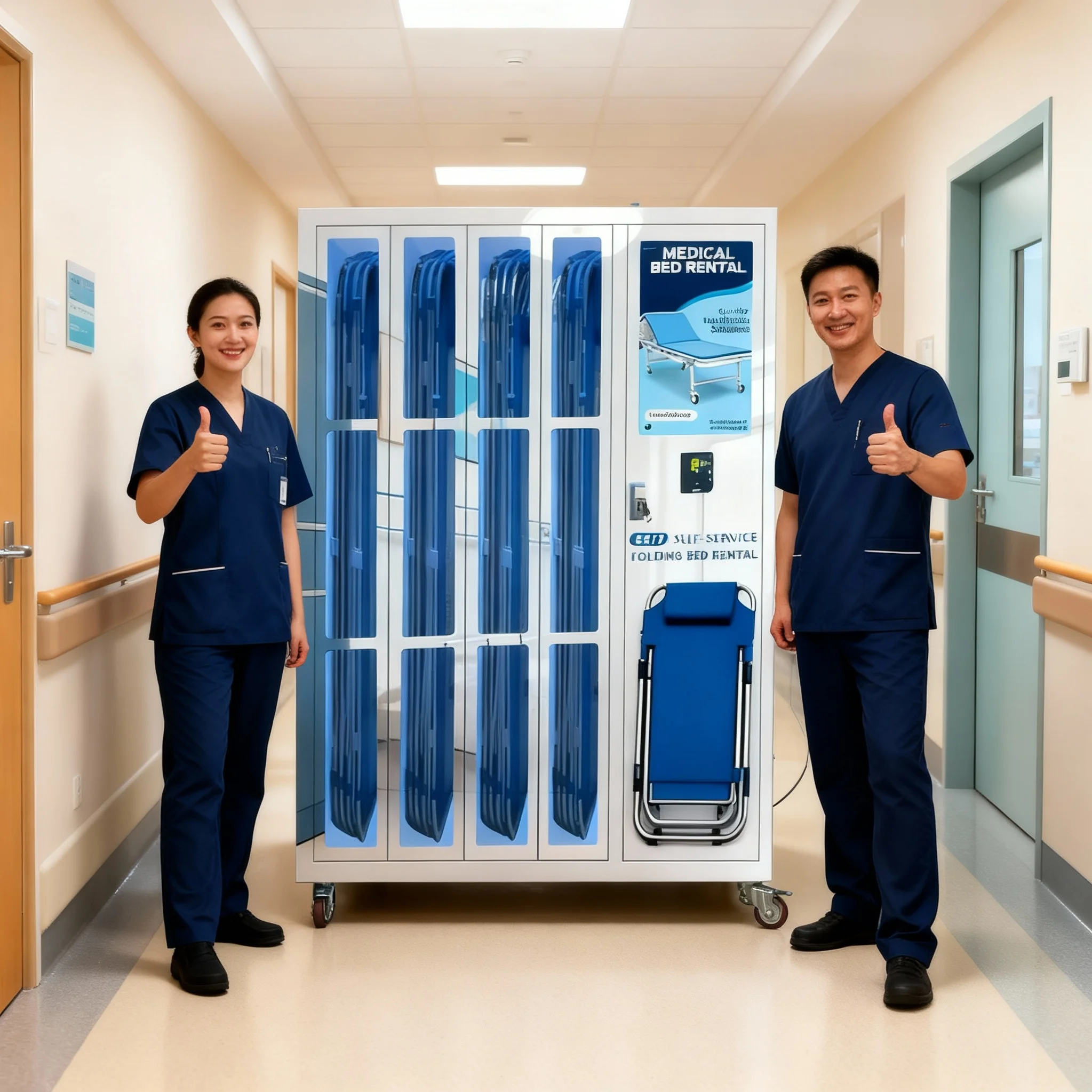
As the healthcare industry constantly evolves, the demand for innovative solutions that improve patient comfort and operational efficiency grows. One such solution gaining attention is the introduction of foldable bed rental machines in hospitals. These automated, self-service units offer hospitals an efficient way to meet patients' needs for temporary bedding, particularly in emergency situations or for outpatient services. In this article, we will explore the feasibility of deploying foldable bed rental machines in hospitals, considering factors like practicality, cost-effectiveness, patient experience, and operational efficiency.
Addressing Hospital Bedding Needs
Hospitals are often faced with fluctuating patient volumes and limited space, especially in emergency or outpatient settings. While most inpatient areas have fixed beds, additional bedding options are often required for overflow, emergency cases, or short-term stays, such as day surgeries. Traditional methods of providing extra beds, such as renting or borrowing from external suppliers, can lead to delays, logistical challenges, and increased costs.
A foldable bed rental machine offers an innovative solution to these problems. These machines could allow patients, caregivers, or hospital staff to quickly access clean, ready-to-use beds without the need for manual inventory checks or external suppliers. The convenience and immediate availability of foldable beds would improve patient satisfaction and reduce operational complexities.
Key Benefits of Foldable Bed Rental Machines in Hospitals
Efficiency and Convenience
Foldable bed rental machines allow hospitals to deploy additional beds instantly. These self-service kiosks can be strategically placed in high-demand areas such as emergency departments, outpatient clinics, or waiting rooms. Patients or hospital staff can rent a bed at any time, avoiding delays in bed allocation and ensuring comfort during waiting times or short stays. The machines would be equipped with features like an easy-to-use touch interface and secure payment methods, streamlining the rental process.Space Optimization
Space in hospitals is at a premium, especially in areas like the emergency department or outpatient centers, where demand for temporary bedding may be high. Foldable beds, when not in use, can be stored compactly in the machine, reducing clutter and ensuring efficient use of available space. The bed can be unfolded and deployed in seconds, providing patients with comfortable temporary accommodations without the need for dedicated storage areas.Cost-Effectiveness
Traditional bed rental services or manual setup of temporary beds can be costly, especially if outsourced to third-party suppliers. By installing foldable bed rental machines, hospitals can save on outsourcing costs, administrative expenses, and reduce reliance on external vendors. The machines could also be a revenue-generating service, offering rental fees to offset maintenance and operational costs.Hygiene and Quality Control
Maintaining cleanliness in hospitals is crucial for patient safety and satisfaction. Foldable bed rental machines could be designed with built-in sterilization and hygiene protocols. For example, each bed could be equipped with a disposable, hospital-grade mattress cover, and the beds could be regularly sanitized after each use. This ensures that patients receive a clean and safe sleeping environment, reducing the risk of cross-contamination and improving overall hygiene standards.Scalability
The foldable bed rental machine concept can be easily scaled to accommodate the needs of different hospital settings. In large hospitals, multiple machines can be deployed across various departments to meet high demand during peak times. Smaller hospitals or clinics could install a single machine to handle occasional overflow. Additionally, the machines could be customized with different bed sizes, types (such as pediatric or bariatric beds), and optional features like integrated comfort settings (e.g., adjustable recliners).
Potential Challenges and Considerations
Initial Investment and Setup
One of the primary challenges in deploying foldable bed rental machines is the initial investment required for purchasing and installing the machines. Hospitals will need to evaluate the cost of acquiring the units, installing them in strategic locations, and integrating them into existing hospital systems. However, this investment could be offset by the operational savings and revenue generated from rentals over time.Maintenance and Support
Foldable bed rental machines will require regular maintenance to ensure they remain in optimal working condition. This includes periodic cleaning, restocking, and technical servicing of the machines. Hospitals would need to establish a dedicated team or service contract with the machine suppliers to handle repairs and maintenance tasks promptly.Patient Acceptance and Awareness
Introducing new technology like foldable bed rental machines requires hospitals to educate both staff and patients on how to use the machines effectively. This includes providing clear instructions and ensuring patients are comfortable with the self-service process. Hospitals might need to provide guidance or assistance to patients who may not be familiar with the technology, such as elderly individuals or those with limited mobility.Regulatory and Safety Compliance
Any healthcare-related technology must comply with strict regulations and safety standards. Foldable bed rental machines must meet the necessary healthcare regulations regarding bed design, materials, patient safety, and hygiene protocols. Hospitals would need to work closely with regulatory bodies to ensure that the machines meet all requirements for medical and patient safety.
The deployment of foldable bed rental machines in hospitals presents an exciting opportunity to address the growing demand for temporary bedding solutions in a cost-effective, efficient, and hygienic manner. With careful planning and integration, these machines can improve operational efficiency, reduce reliance on external suppliers, and enhance patient comfort, particularly in emergency or outpatient settings. Although challenges such as initial investment, maintenance, and patient awareness must be addressed, the long-term benefits and potential for revenue generation make foldable bed rental machines a highly viable solution for modern healthcare facilities. As hospitals strive to improve patient experiences and streamline operations, foldable bed rental machines could become an essential part of their strategy to meet evolving patient needs.
