


How Local Supermarkets Can Profit from Fresh Produce Retail
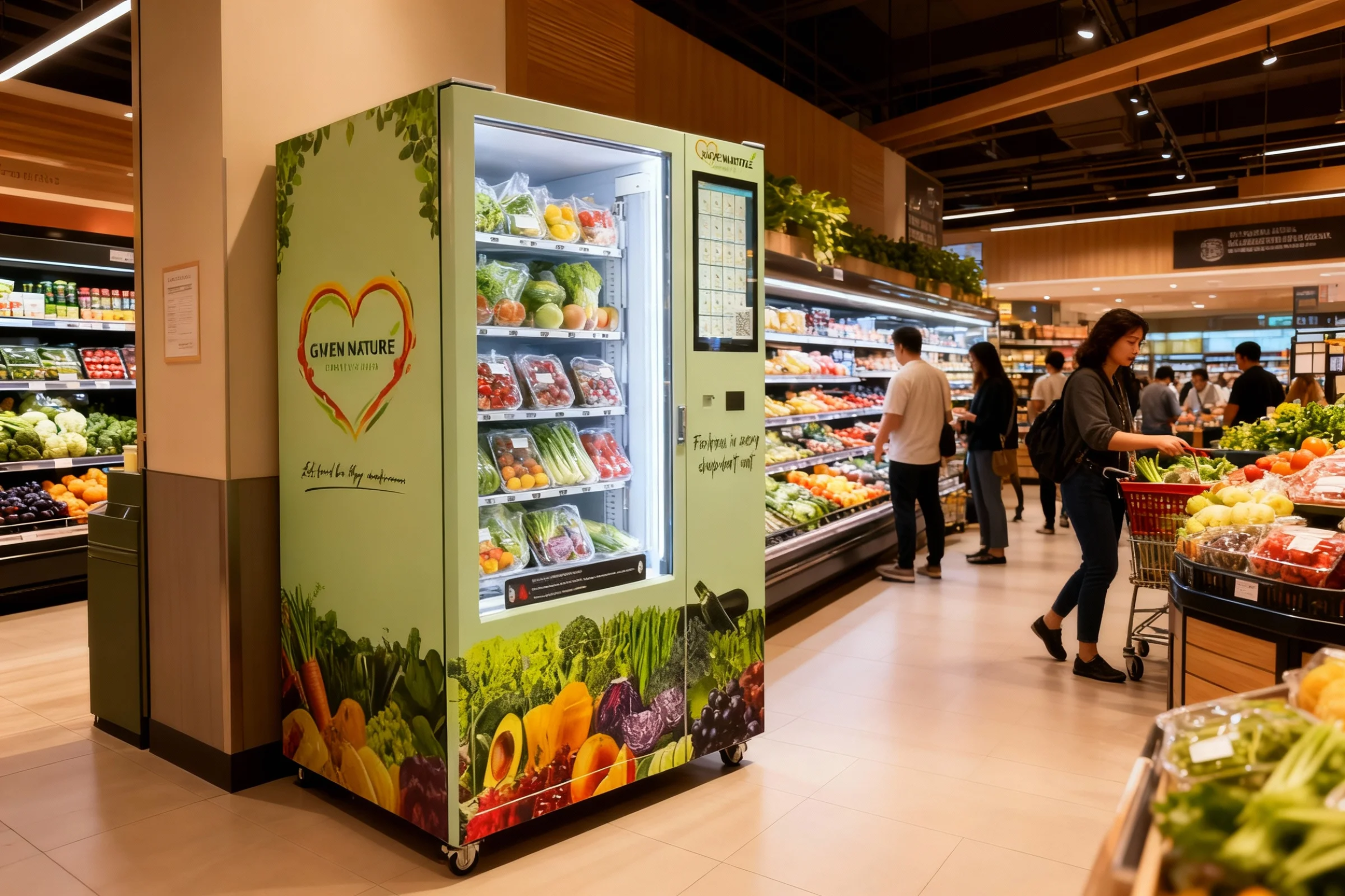
The Challenge: Managing Fresh Produce Across Multiple Stores
Complexity Increases With Scale
For multi-location supermarkets, selling fruits and vegetables can be especially challenging:
Inventory management becomes complicated as perishable items move quickly
Labor costs rise when staff need to check and restock produce at every store
Customer expectations for freshness and quality remain high
Without an efficient system, expansion can increase losses instead of profits.
The Solution: Smart, Scalable Produce Retail Systems
Standardize Operations Across All Stores
By implementing smart refrigerated displays, automated produce vending systems, and real-time inventory monitoring, supermarket chains can:
Ensure consistent freshness at every location
Reduce spoilage and shrinkage with automated expiry alerts
Monitor sales trends across stores to optimize stock distribution
This approach turns fresh produce from a risk into a reliable revenue stream.
Data-Driven Decisions for Maximum Profit
Use sales analytics to identify fast-moving items and adjust orders per location
Apply dynamic pricing or promotions to reduce near-expiry waste
Allocate stock intelligently based on foot traffic and demand patterns
Chains using smart produce systems report up to 25–40% improvement in profit margins across multiple stores.
ROI and Profitability Examples
Realistic Revenue Projection (Example)
Store Size: Medium-sized supermarket
Average Monthly Fresh Produce Sales per Store: $15,000
Reduced Spoilage & Waste: 20%
Labor Savings via Automation: $2,000/month
Resulting Profit Increase per Store:
$15,000 × 20% = $3,000 from reduced waste + $2,000 labor savings = $5,000 additional profit per month
Scaling Across Multiple Stores
For a 5-store chain: $5,000 × 5 = $25,000 extra profit per month
Annualized, this adds up to $300,000 in additional revenue, with minimal extra labor costs.
These numbers demonstrate that smart produce systems pay for themselves within 3–6 months.
Expansion Strategy for Multi-Store Supermarkets
Step 1: Pilot One or Two Locations
Test smart produce systems in select stores to gather sales data and optimize workflows.
Step 2: Standardize Systems and Processes
Roll out best practices, automated inventory tracking, and consistent product displays across all locations.
Step 3: Scale Gradually With Real-Time Insights
Use data from each store to make decisions on stock allocation, pricing, and promotions — ensuring profitable growth.
