


Benefits of Installing a Beverage Vending Machine in Convenience Stores: Solving Pain Points and Increasing Profit
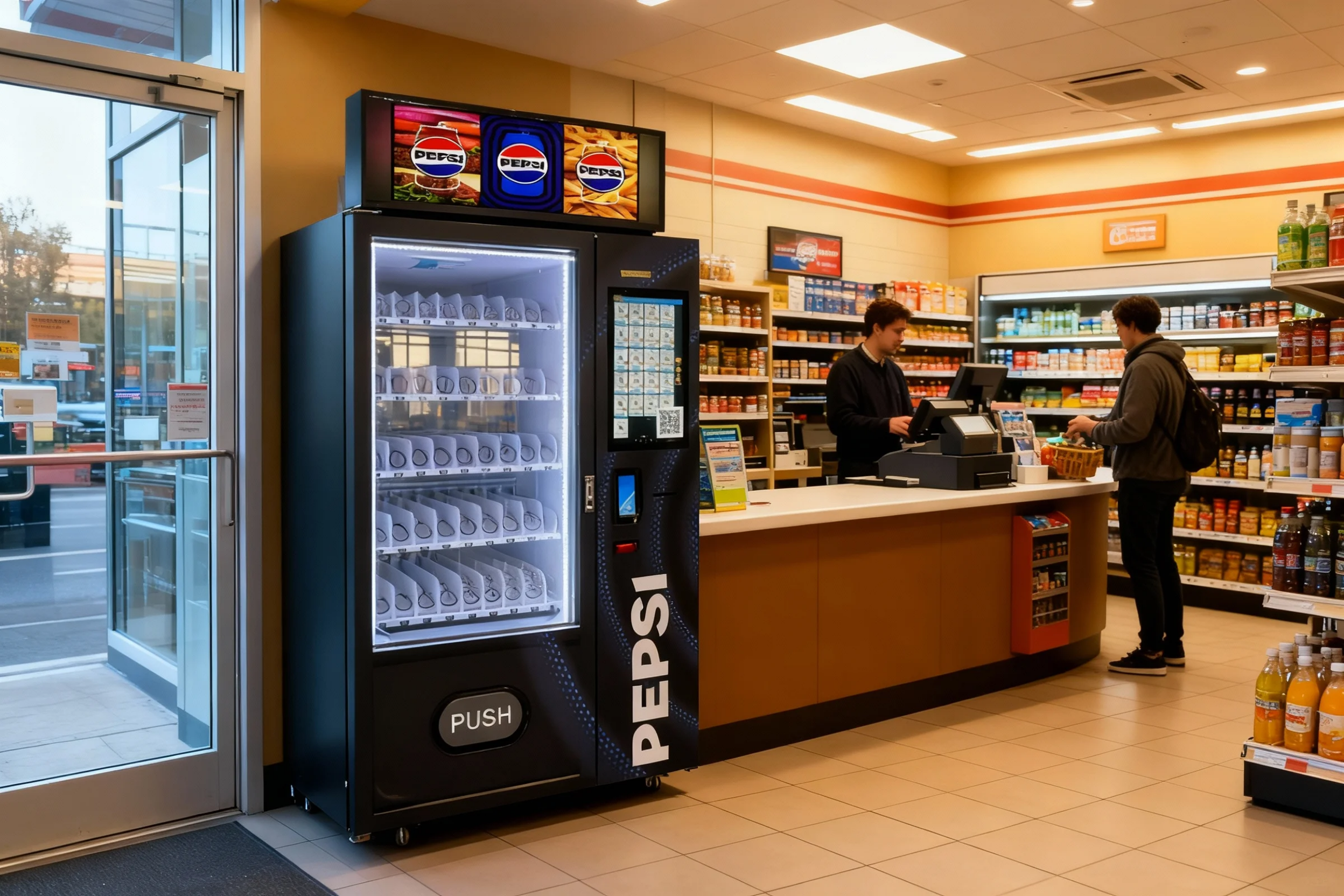
Convenience stores are all about providing quick and easy access to everyday products for customers, and beverages are no exception. However, for convenience store owners, managing drink sales can come with several challenges, including staffing costs, inventory management, and long checkout lines. One potential solution to these pain points is the installation of a beverage vending machine. Not only does this automate the sales process, but it also allows store owners to optimize their space and increase revenue. In this article, we will highlight the pain points convenience store owners face and explore how beverage vending machines can offer a solution, backed by comparative data.
Common Pain Points for Convenience Store Owners
Long Wait Times at the Counter
Traditional beverage sales at convenience stores often involve long lines, especially during peak hours. Customers may have to wait in line at the checkout counter while also making their beverage selection, leading to frustration and a slower shopping experience. According to a study from the National Association of Convenience Stores (NACS), customers spend, on average, 3-5 minutes in line during peak hours at convenience stores, which can negatively impact their overall experience and result in lost sales.Solution: Beverage vending machines offer a self-service option, enabling customers to quickly grab their drink without the need to wait in line. This quick access to beverages can enhance customer satisfaction and reduce wait times, especially during busy periods. This convenience can also increase foot traffic, as customers who may otherwise avoid busy lines are more likely to make a purchase when the process is faster.
High Labor Costs
Staffing a convenience store is an expensive endeavor, and managing beverage sales typically requires employees to operate the register, stock shelves, and provide customer service. According to data from Bureau of Labor Statistics (BLS), the average hourly wage for a convenience store worker in the U.S. is around $12-$15. With multiple employees needed to manage customer traffic and product stocking, labor costs can add up quickly, especially in a busy convenience store.Solution: A beverage vending machine significantly reduces the need for labor. It can operate autonomously, requiring only periodic restocking and maintenance. This reduction in labor can save store owners thousands of dollars annually. In fact, an automated vending machine can save up to 30-40% of the labor costs associated with managing beverage sales, according to a vending industry report.
Space Limitations
Convenience stores often face the challenge of maximizing limited retail space. With so many products to offer, it can be difficult to allocate sufficient space for beverages without crowding other items or impeding customer flow. This can limit the store’s ability to diversify product offerings, especially when physical shelf space is at a premium.Solution: Beverage vending machines take up minimal floor space while offering a wide selection of drinks. By utilizing vertical space, they allow store owners to maximize the footprint of their store without overcrowding or reducing customer movement. A vending machine, on average, takes up 2-3 square feet, compared to the space required for a traditional beverage section, which could require up to 10-15 square feet.
How Beverage Vending Machines Solve These Problems: Benefits with Data
Increased Revenue with Minimal Overhead
In a convenience store, beverage sales can represent a substantial portion of overall sales. According to IBISWorld, the beverage sales segment in convenience stores generates nearly $30 billion in annual revenue in the U.S. alone. Vending machines allow store owners to tap into this market with minimal operational costs.
Data Comparison:
Traditional Beverage Sales: Involves high overheads, including labor costs and rent for larger retail areas.
Vending Machine Beverage Sales: Once installed, vending machines require no additional labor and can operate 24/7, generating passive income. This means higher margins with lower expenses.
For example, a convenience store that sells bottled water for $1.50 per bottle may have purchased it for $0.40. With a vending machine, the store can sell the beverage at the same price, but without additional cashier interaction, leading to 80% profit margins versus typical 60-70% profit margins at a traditional counter.
Faster Customer Experience
Long wait times can lead to customer frustration, especially in busy convenience stores. Vending machines help alleviate this issue by allowing customers to make quick selections without waiting for a cashier. Research from NACS shows that convenience store customers spend an average of 4-6 minutes in line, whereas with vending machines, customers can grab their drink in under 30 seconds, reducing wait time by 85%.
Data Example: In one pilot study conducted by a chain of convenience stores, installing beverage vending machines reduced average customer wait times by 60%, improving overall customer satisfaction and increasing beverage sales by 15-20%.
24/7 Availability and Passive Income
Traditional beverage sales only generate income during store hours, meaning no sales are made after hours or during slow times. Vending machines, on the other hand, operate 24/7, providing a continuous source of income. In locations like gas stations or urban convenience stores, where foot traffic is high at all hours, this can make a significant difference in overall revenue.
Data Example: A study by Vending Times found that convenience store owners who installed vending machines experienced a 25-30% increase in beverage sales during off-peak hours. This is particularly advantageous for stores in high-traffic areas, such as near bus stops or busy streets.
Healthier Beverage Options and Consumer Trends
With growing consumer demand for healthier alternatives, providing a range of beverages—including organic juices, sparkling water, and low-sugar options—has become a key selling point. Vending machines allow convenience store owners to offer a curated selection of drinks that meet evolving consumer preferences without the need for additional shelf space.
Data Comparison:
Traditional Shelves: Limited space for product rotation and stocking.
Vending Machines: The ability to offer a variety of beverages, including seasonal, trendy, or health-conscious options, can directly increase consumer interest and sales.
A recent survey by Mintel revealed that 45% of consumers are actively seeking healthier beverage choices, and vending machines make it easier for store owners to meet this demand by rotating stock and offering niche products.
Installing a beverage vending machine in a convenience store offers a range of benefits that directly address the pain points of store owners, including high labor costs, space limitations, and long wait times. With the ability to increase revenue with minimal overhead, improve the customer experience, and provide 24/7 passive income, beverage vending machines are a powerful tool for optimizing operations and boosting profitability. By comparing traditional beverage sales methods with the efficiency of vending machines, it’s clear that this business solution can significantly enhance a store’s bottom line, improve customer satisfaction, and cater to modern beverage trends. For convenience store owners looking to maximize profit with minimal effort, beverage vending machines offer a smart, scalable solution.
